The Sunshot: Solar Energy in Germany
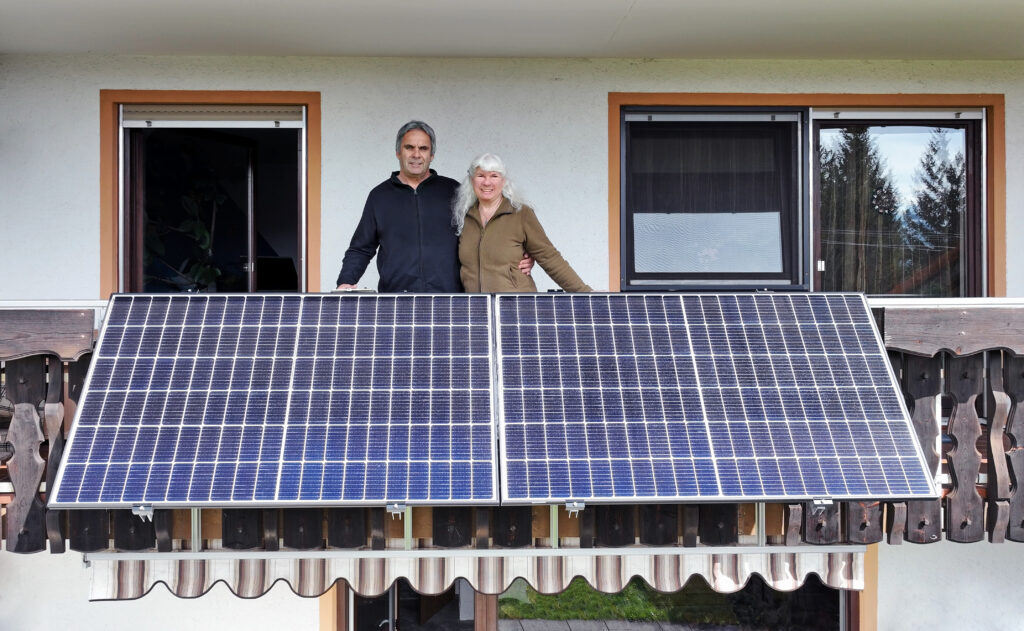
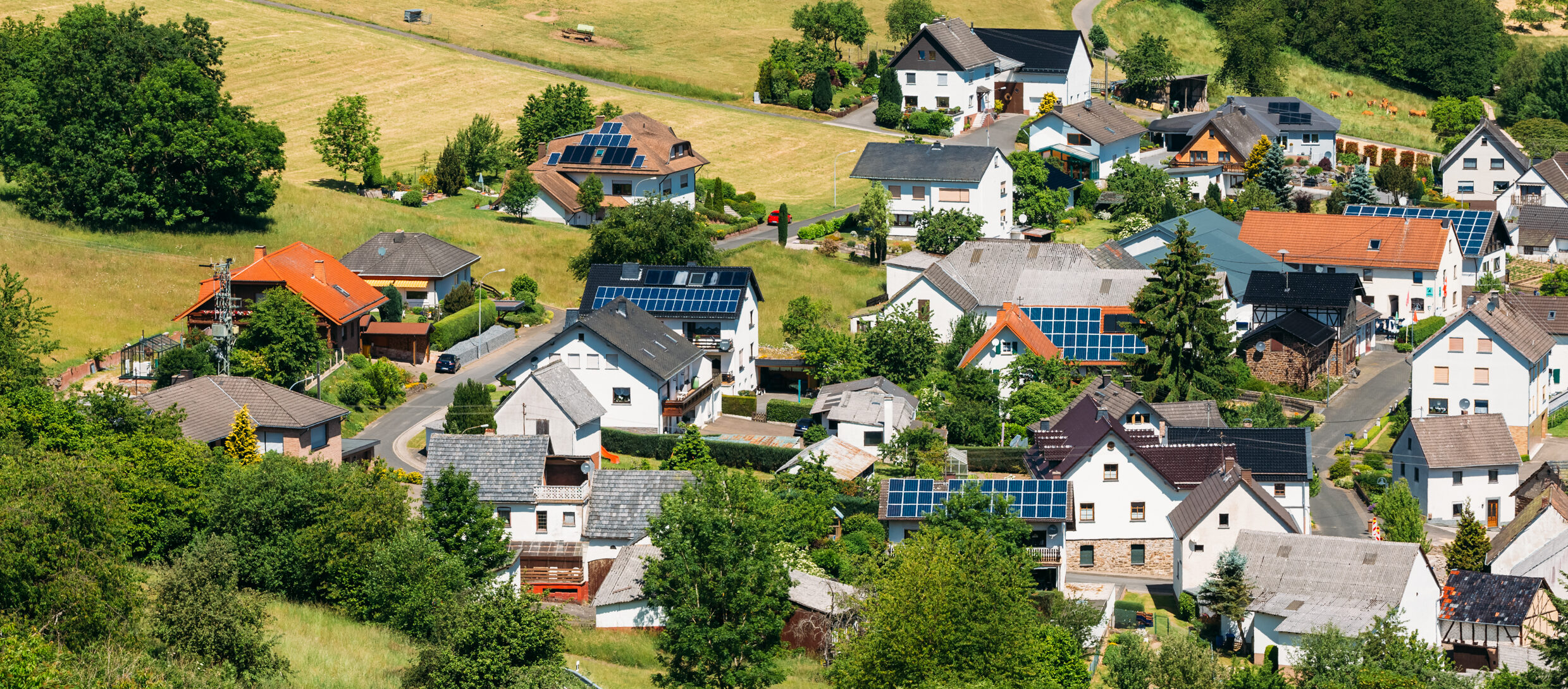
In the early 1990s, coal dominated the production of Germany’s electricity supply. Solar power wasn’t on most people’s radar, viewed as expensive and marginal. But over the past 30+ years, the combined efforts of civil society, businesses, and communities have helped bring solar energy into the mainstream. Philanthropy has worked alongside these actors to help create the conditions for the sector’s growth. Today, Germany has one of the world’s largest installed solar fleets.
How did this happen? As Germany sought new industrial growth opportunities, solar energy emerged as a promising pathway, long supported by the environmental community. Framing solar not purely as environmental policy, but as a sector that Germany could lead, created a powerful economic and political argument. However, the energy system at the time was designed around fossil fuels and nuclear power, making it tough for solar to gain traction.
As part of a wider movement supporting the energy transition, philanthropy supported local initiatives in establishing the regulatory conditions for making the wide-scale expansion of solar feasible, inspiring more private investment, speeding commercialization, and ultimately greater adoption of solar energy.