Five Lessons to Accelerate Giving in Climate and Beyond

The five lessons that follow reflect what we’ve learned from working alongside leading philanthropists navigating one of the most urgent and complex challenges of our time: climate change.

Since our founding, Climate Lead has advised more than 115 philanthropic families, helping catalyze over $6 billion in climate funding globally.

Through this work, we’ve gained unique insight into what helps philanthropists move quickly from intention to impact—and what most often slows them down.

While this report is grounded in climate philanthropy, many of the lessons can also apply to other urgent global challenges. We are sharing these lessons in the hope that they can help funders, NGOs, advisors, and philanthropic organizations worldwide move further and faster toward meaningful impact in climate and beyond.

Jennifer Kitt Illustration
See Foreword by
Jennifer Kitt, President, Climate Lead

Read the Report Online
Download the Full Report

children walking on sand dune with a bright sun in a blue sly

Lesson 1.
There Are Many Paths to Impact

There is no silver bullet in climate philanthropy—or any philanthropy tackling systems-level change. That is not a flaw, it’s a feature.

No silver bullet

Climate change is driven by multiple systems—energy, land, food, and finance. Because the problem is multi-dimensional, the solutions must be too.

Follow your interest

Some philanthropists we work with focus on gigaton-scale outcomes, while others prioritize under-resourced strategies, often beginning with a gap analysis to identify areas where new funding can unlock the greatest impact.

Mapping the impact landscape

For NGOs, clearly situating their work within the broader landscape—and showing how they collaborate with others—helps philanthropists understand their role in the solution, and engage with greater confidence.

There are many paths to impact.
They all matter, and they all help.

Pedro Bueno Illustration

This will be the biggest challenge we will face in humanity’s history, so we have a huge responsibility to act now.”

— Pedro Bueno, New Climate Philanthropist, Brazil
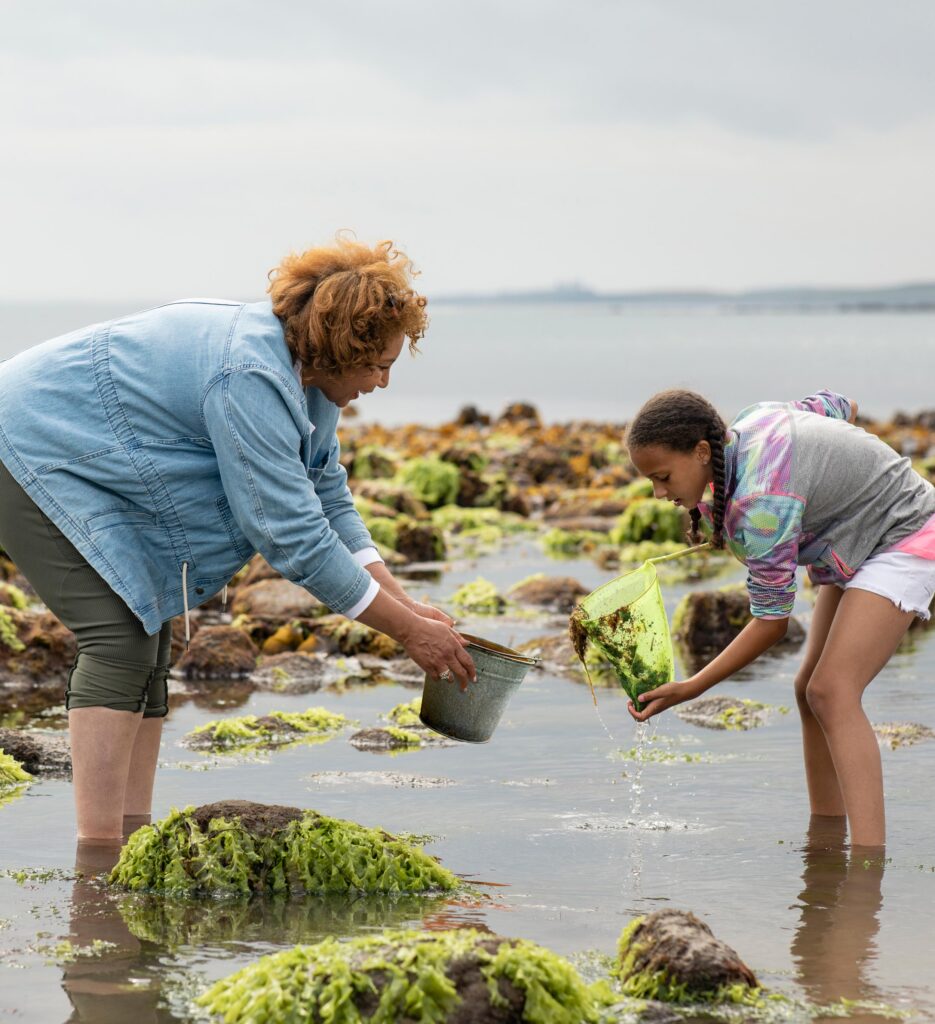
A woman and girl standing in shallow water at the shore with a net and bucket.

Lesson 2.
Action Is the Best Teacher—Learn While Giving

In philanthropy, waiting to feel “ready” carries its own risk. In climate philanthropy, where delays compound harm, those risks are especially urgent. 


A compounding issue

Climate change intensifies over time, with pollution accumulating in the atmosphere and accelerating warming.

Delayed action has real costs—for people, ecosystems, and economies. We are already experiencing the impacts of increasing droughts, floods, and wildfires that will worsen as the planet warms.

Learning while giving

The world cannot wait for new philanthropists to become experts before giving. Every tenth of a degree makes a difference.

The faster we reduce current emissions and prevent new ones, the more we can avoid locking in future harm. Learning while giving is not reckless; it is a disciplined response to urgency. 

Action accelerates understanding

Across the philanthropists we have advised, those who begin with a thoughtful first commitment consistently gain clarity faster than those who remain in prolonged analysis. It brings philanthropists into community with experts, peers, and real-world data—transforming abstract questions into practical insight.

Learn alongside experts

There is already a deep foundation of science, evidence, and field experience to draw from. Philanthropic families do not need to build teams from scratch or reinvent strategies. They can learn alongside experienced peer philanthropists, trusted advisors, and NGOs with proven track records.

Organizations that invite philanthropists into the learning process, not just the outcome, help accelerate both understanding and giving at scale.

In philanthropy, the quickest way to clarity is often simply getting started.

A highway built over a body of water with cars driving on it.

Lesson 3.
The Fastest Path to Impact Is Already Forged

One of the most underappreciated accelerators of climate giving is that the infrastructure already exists. Use existing pathways instead of reinventing them. In climate, it is surprisingly robust.

While it is human nature to want to forge our own paths, philanthropists can move significantly faster by building on existing networks and strategies rather than starting from scratch.


Power of collaborative efforts

Collaborative efforts can unite climate-friendly solutions across geographies, particularly in developing economies, enabling these regions to bypass polluting options and leapfrog directly to cheaper, cleaner, zero-emission solutions in transportation, cooling, and energy systems.

Leverage local expertise: Regional Climate Foundations

Regional climate foundations provide established, on-the-ground teams and trusted relationships, particularly in complex geographies where local context matters deeply.

Leverage local expertise: Thematic hubs and Pooled funds

Thematic hubs—whether focused on industry, methane, or communications— offer similar advantages. Pooled funds in impact investing and policy advocacy provide additional ways to participate with confidence.

Lower friction and risk

For NGOs, collaboratives reduce transaction costs, align funders, and create shared metrics that streamline the reporting process, allowing the organizations to focus on the work.

For funders, these collaborative models lower friction and risk by offering multiple ways to engage—actively or quietly, early-stage or proven—while still contributing to efforts at scale.

Philanthropists don’t need to start from zero— the fastest paths are already in place.

Sam Ballmer Illustration

Our hope is to inspire other funders to come into this underfunded area and realize that if we pool funds now, we can do a lot of the learning, failing, and succeeding that needs to happen, as soon as possible.”

— Sam Ballmer, co-founder of Rainier Climate, on their deforestation funding
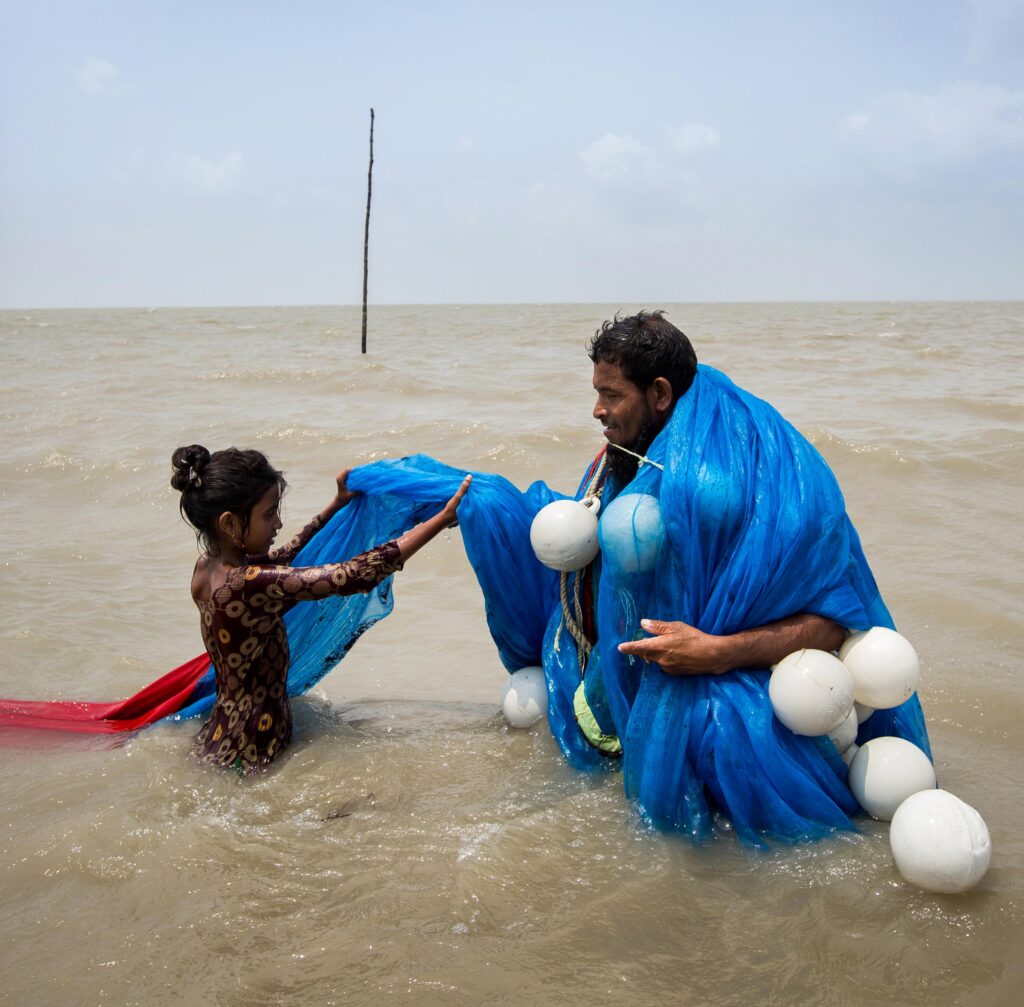
Father and daughter standing in the ocean holding a blue net with buoys

Lesson 4.
Impartial Guidance Builds Trust

Trust is a critical accelerant in philanthropy.

Philanthropists move faster and with greater confidence when they can explore the landscape with someone whose only stake in the outcome is impact.

Climate is our client

This neutrality creates space for honest conversations about trade-offs, broader exposure to strategies, and greater trust by making clear that the mission—not any one organization or theory of change—is the priority.

In a complex ecosystem like climate, where many organizations are advancing critical solutions, this role is essential in connecting the dots to accelerate giving.

Navigating options with clarity

Impartial advisors help philanthropists navigate options, connect their values to high-impact opportunities, and move forward with clarity.

In a field with many pathways, they also help funders understand where others are investing, identify opportunities to collaborate, and align around shared goals—accelerating impact.

Problem-solving widens opportunity

When advisors are not constrained by a specific agenda, they can act as problem solvers: freely sharing knowledge, situating strategies within the broader system, and helping philanthropists act with confidence.

Expedited timelines

Climate Lead’s network has helped shorten decision timelines. Over half of the families we worked with started their first portfolio gift within 9 months, and two-thirds of families within just over a year—the first gift averaging around $4 million USD. 

When the focus stays on the outcomes the world needs most, rather than any single organization or strategy, it becomes easier to build trust, align philanthropists’ interests with high-impact opportunities, and accelerate action.

Building with glass panes and solar panels

Lesson 5.
Philanthropy Is a Solutions Multiplier

Climate change intensifies risks across health, food security, economic stability, education, and democracy. It is a threat multiplier.

Philanthropy, on the other hand, can multiply solutions.

Integrate climate into existing priorities

Funders do not need to choose between climate and the issues they already care about. Climate can, and should, be integrated into existing priorities because it affects them all.

Amplified core mission

Among the more than 115 families we worked with, the majority of whom were new to climate giving, many brought deep experience in other global priorities.  More than half were experienced in giving to health, poverty reduction, livelihoods, gender equity, conservation, or education—discovering how climate action amplified their core missions.

Generosity expands impact

One of the most powerful lessons from recent global crises is that generosity across causes expands impact—it doesn’t dilute it. Climate works alongside other issues, and it enables those other goals, too. When those connections are made clear, barriers fall away and engagement deepens. 

Because climate touches nearly every aspect of human life, progress on climate can also accelerate progress across many other important priorities—just one example of philanthropy’s multiplier effect.
shared responsibility illustration wavy lines with arrows

We Have a Shared Responsibility to Move Faster

Taken together, these lessons point us to a place of possibility. There are many ways to make a difference—and they all matter.

You don’t need to know everything to begin. Action is the best teacher. Infrastructure exists to get started quickly, and trust accelerates impact. Climate belongs in every conversation about the future we want.

Even amid global instability, strategic philanthropy remains an essential lever for action. We are inspired by the growing community of funders stepping forward to protect hard-won gains and accelerate solutions.

The time for decisive action is now. 

The faster we move together, the more we can save.