Sailing Toward Net-Zero
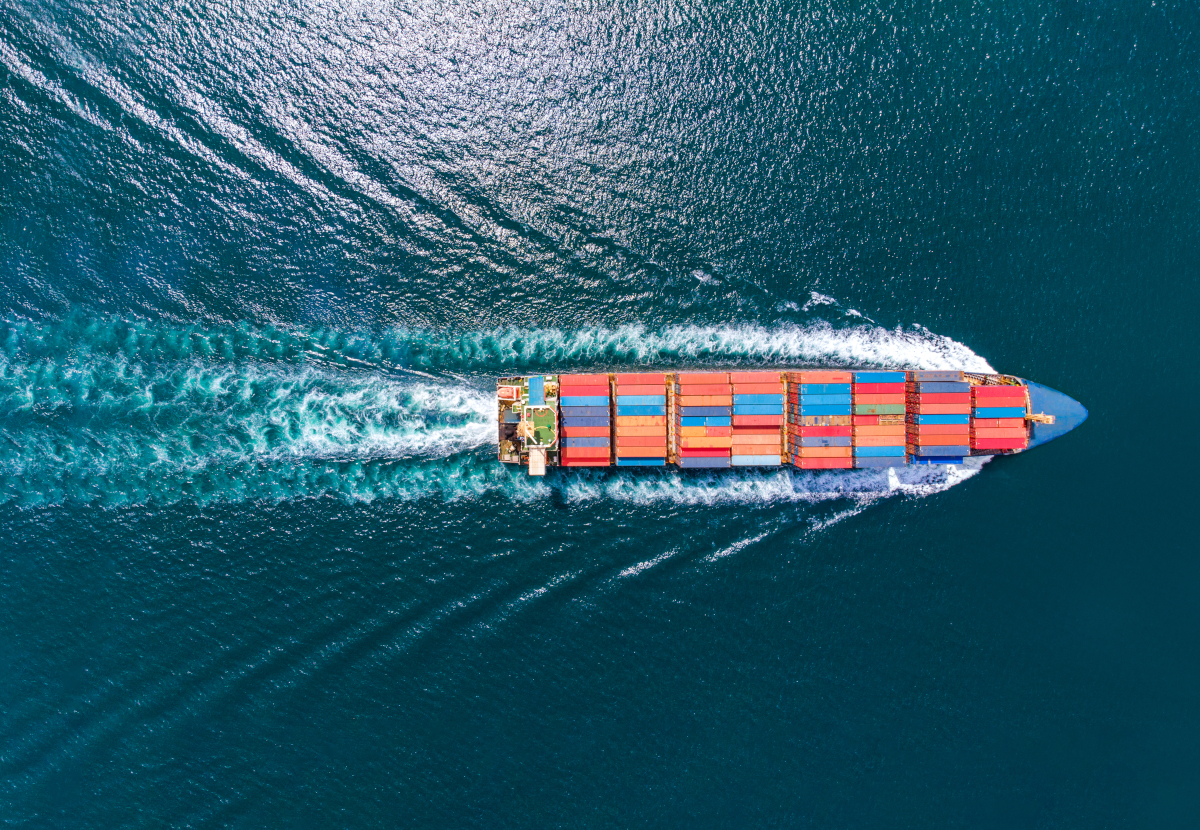
Shipping by sea underpins the global economy, carrying 90 percent of the world’s freight. But maritime shipping is a significant emitter of greenhouse gases (GHG), not only contributing to climate change, but harming the health of communities (especially those located near seaports), the environment, and the economy. If the shipping industry were a country, it would be the sixth-biggest GHG emitter in the world, at 1 billion tons annually.
Until recently, shipping has been largely overlooked by philanthropy, in part because of its complex and interconnected global infrastructure and supply chains. Yet decarbonizing the sector is a highly promising climate solution, with a comprehensive strategy and enormous potential for funders to have an outsized impact. Philanthropy can serve—and is serving—as a central catalyst in the shift to cleaner shipping, illustrated by a big breakthrough this spring.
In April, the International Maritime Organization (IMO)—the UN agency that regulates maritime transport—took a major step forward. After two weeks of hard work and many late nights, the IMO’s environment committee and a solid majority of member states agreed on a net-zero framework for GHG emissions from ships. The Climate Emergency Shipping Coalition—a philanthropically supported platform that coordinates shipping decarbonization activities with NGO partners—played a key role, promoting a high level of ambition throughout the negotiations, engaging in advocacy with member states, and conducting technical analysis of policy scenarios. Most importantly, it pushed for a levy on certain emissions and a new global fuel standard that will drive cleaner fuels over time—both of which made their way into the new measures.
Negotiations were difficult, technical, and full of strategic challenges. The coalition deftly navigated differences of opinion and regional interests in a way that ultimately saw a great deal of cooperation and alignment. And there’s more to be done—while official adoption of the measures by IMO is slated for later this year, the uncertain geopolitical environment adds an element of risk, and successful implementation of the rules requires support and alignment. Nonetheless, the momentum catalyzed by this milestone offers hope that shipping, a vital but polluting industry, can transition to net-zero emissions in a way that supports people and the planet.
“
This progress represents another significant step in our collective efforts to combat climate change, modernize shipping and demonstrates that IMO delivers on its commitments.
International Maritime Organization (IMO)